California Travel Destinations
The Ultimate California Travel Bible: Road Trips, Hidden Gems, Cities, Beaches, and Outdoor Adventures (2026 Ultimate Edition)
Introduction: Why California is the Ultimate Travel Destination
California is not just a state; it is a global phenomenon. Stretching over 800 miles along the Pacific Coast, the Golden State contains a diverse array of ecosystems, cultures, and microclimates. Within a single day, you can snowboard down alpine slopes in the mountains, drive through towering redwood forests, and watch the sunset over the Pacific Ocean from a sandy beach.
For travelers, this diversity is both a blessing and a challenge. How do you plan a trip to a place that has some of the world’s largest cities—like Los Angeles, San Francisco, San Jose, and San Diego—alongside pristine national parks like Yosemite Valley, the Sequoia National Park area, and Joshua Tree?
Whether you are seeking romantic places, planning family vacations, looking for cheap places to visit, or trying to cross off your personal travel bucket list, this mega guide provides everything you need to know.
Comprehensive California Travel Guide & Planning
Planning a trip across California requires understanding its geographic regions, transit options, and seasonal changes. Here is your baseline travel guide to get started.
1. Best Time to Visit California
- Spring (March to May): This is the prime season for nature lovers. The state’s waterfalls—such as those in Yosemite Valley—are roaring from winter snowmelt. Wildflowers cover the hillsides, and the deserts are cool and pleasant.
- Summer (June to August): Peak tourism season. Coastal towns like Santa Cruz, Santa Barbara, and Laguna Beach offer classic warm weather, but expect large crowds and higher hotel prices.
- Fall (September to November): The locals’ favorite season. The weather remains warm, ocean temperatures are at their highest, and the summer crowds have cleared. It’s also wine harvest season in Napa and Ukiah.
- Winter (December to February): The best time for skiing in Lake Tahoe, Mammoth Lakes, and Big Bear Lake. It’s also the best time for desert adventures in Palm Springs and Death Valley, where summer temperatures are dangerously hot.
2. Transportation: Driving vs. Public Transit
To fully experience a California road trip, a car is essential. While major cities like San Francisco have public transit systems, getting between national parks, small towns, and coastal viewpoints requires a personal vehicle.
- Gas Savings Tip: Gas prices in California are consistently high. Check local prices online before filling up, and avoid buying gas in remote tourist areas like Big Sur or inside national parks.
Detailed Day-by-Day California Road Trip Itinerary
This 14-day road trip itinerary covers the absolute best of the state, starting in Southern California and ending in the mountains of Northern California.
Day 1–2: The Laid-Back Southern Vibe in San Diego
- Route: Fly into San Diego International Airport.
- What to Do: Spend your first day exploring Balboa Park and the historic Gaslamp Quarter. On Day 2, head to the coastal neighborhood of La Jolla to watch the sea lions at the cove and visit the beach town of Oceanside for a walk along its historic wooden pier.
- Budget Hack: Pack a picnic and watch the sunset from Sunset Cliffs Natural Park in San Diego—a completely free, world-class viewing experience.
Day 3–5: Los Angeles, Orange County & Coastal Enclaves
- Route: Drive north along the highway and coastal routes.
- What to Do: Stop in Orange County to explore the famous surf beaches of Huntington Beach, Laguna Beach, and Newport Beach.
- Arrive in Los Angeles and divide your time between:
- Santa Monica: Walk the historic pier and shop at the promenade.
- Venice Beach: Walk the boardwalk, watch the street performers, and visit the famous outdoor Muscle Beach.
- Beverly Hills: Drive down Rodeo Drive to see luxury fashion houses and mansions.
- Long Beach: Tour the historic Queen Mary ocean liner and visit the Aquarium of the Pacific.
- Malibu: Drive the coastal highway, visit Zuma Beach, and hike the canyon trails.
Day 6–7: The Central Coast & Scenic Drives
- Route: Drive north on the coastal highway.
- What to Do: Spend a morning in Santa Barbara, checking out the Spanish colonial architecture. Continue north through Pismo Beach (where you can drive vehicles directly onto the sand dunes) and make your way to the Monterey Peninsula.
- Explore Monterey’s Cannery Row and take a romantic drive through Carmel-by-the-Sea, a town known for its fairy-tale cottages and white sand beaches.
Day 8–10: The San Francisco Bay Area & Silicon Valley
- Route: Drive north from Carmel, stopping at the historic surf destination of Santa Cruz before heading inland.
- What to Do: Drive through San Jose to see the high-tech campuses of Silicon Valley. Head north to San Francisco to walk across the Golden Gate Bridge, ride the historic cable cars, and explore the diverse food scene of the Mission District. Spend an afternoon visiting Oakland across the bay bridge.
Day 11–12: Yosemite National Park
- Route: Drive east toward the Sierra Nevada Mountains.
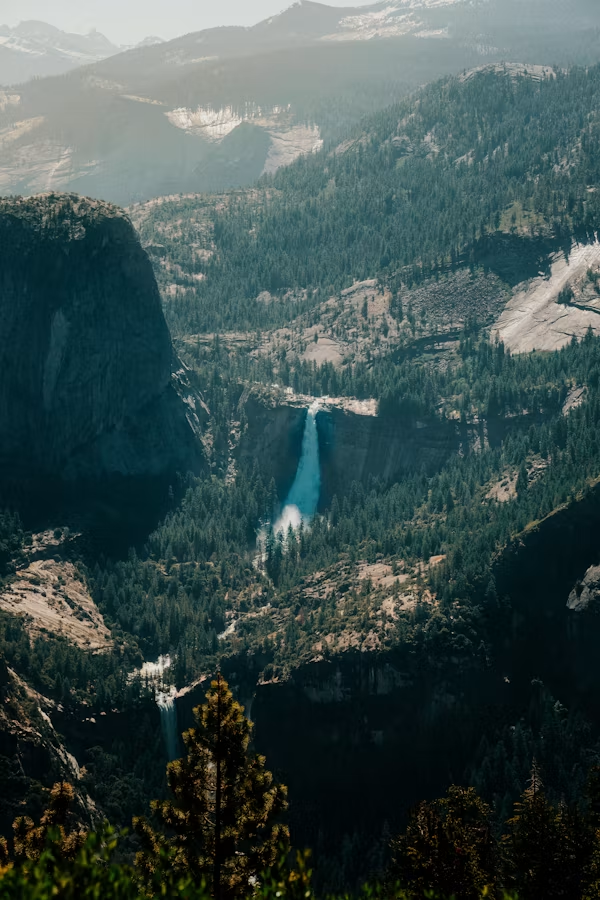
- What to Do: Park at the valley floor and explore. Hike the Mist Trail to Vernal Fall and Nevada Fall, and view the iconic granite monoliths of El Capitan and Half Dome.
Day 13–14: Lake Tahoe & Napa Valley
- Route: Drive north to Lake Tahoe for alpine lake views, then head west to Napa for wine tasting before flying out of San Francisco.
Ultimate Beach Guide: Famous Shores & Hidden Gems
California’s coastline is iconic. Here is a detailed breakdown of both the famous beaches and the hidden beaches.
1. Famous Southern California Beach Towns
- Huntington Beach: Known as Surf City, this beach features wide, sandy shores and a massive pier. It is the best place to witness authentic California surf culture.
- Laguna Beach: A series of cliffside coves with crystal-clear water. Popular spots include Thousand Steps Beach and Victoria Beach, which is famous for its historic stone tower.
- Newport Beach: Home to the Balboa Peninsula, where you can ride the historic ferry and watch surfers tackle the massive waves.
- Venice Beach: A bohemian hub filled with street artists, skate parks, outdoor gyms, and eclectic shopping.
2. Hidden Beaches in California (Escape the Crowds)
- El Matador State Beach (Malibu): Famous for its massive sea stacks, caves, and rugged rock formations. It is a favorite spot for photographers and couples seeking a romantic sunset.
- Garrapata State Park Beach (Big Sur): A wild, undeveloped beach with crashing waves, redwood canyons, and coastal trails.
- Natural Bridges State Beach (Santa Cruz): Features a massive natural mudstone arch in the ocean and is a winter nesting ground for butterflies.
3. California Beach Camping Guide
Sleeping under the stars with the sound of the ocean waves is one of the most budget-friendly ways to experience the coast.
- Pismo State Beach: One of the few places in California where you can camp directly on the beach and drive off-road vehicles onto the sand.
- Refugio State Beach (Santa Barbara): Offers beachfront campsites shaded by giant palm trees, with calm waters perfect for kayaking and swimming.
Outdoor Adventures: Hikes, Lakes, National Parks, & Ski Resorts
California offers an abundance of wilderness adventures. Whether you prefer hiking, boating, or skiing, here is your outdoor guide.
1. Best Lakes in California
- Lake Tahoe: Straddling the border of California and Nevada, Lake Tahoe is the largest alpine lake in North America. Known for its clear water, it offers boating and paddleboarding in summer, and world-class skiing at resorts in winter.
- Big Bear Lake: Located in the national forest, this lake is a top destination for Southern Californians looking to escape the heat. It offers fishing, hiking, and cabin rentals.
- Shasta Lake: Located in Northern California, this massive reservoir is the houseboating capital of the region, featuring hidden coves and mountain backdrops.
2. National Parks in California
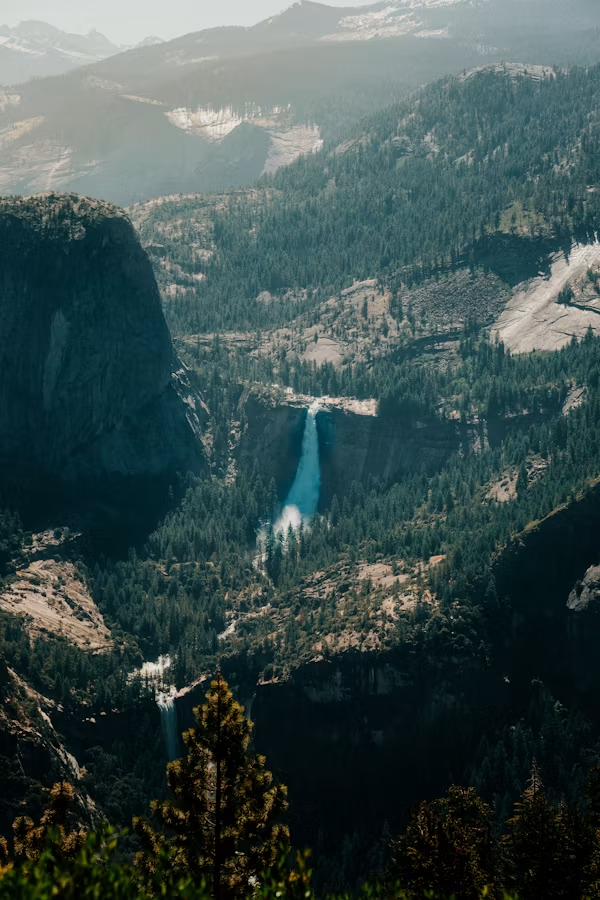
- Yosemite National Park: Famous for its towering granite cliffs, ancient giant sequoias, and roaring waterfalls.
- Sequoia & Kings Canyon National Parks: Home to the General Sherman Tree, the largest living tree on Earth by volume.
- Joshua Tree National Park: Where the Mojave and Colorado deserts meet. It is famous for its rock formations, stargazing, and twisted desert trees.
3. Waterfalls in California & Hiking Trails
For those seeking water hikes, here are the detailed trail guides for cheap or free exploration:
Eaton Canyon Falls (Pasadena)
- Distance: 3.5 miles round trip
- Difficulty: Easy
- Cost: Free parking and free admission.
- The Hike: A flat trail along a dry wash that enters a shaded canyon. You will cross streams multiple times before reaching a 40-foot waterfall with a shallow pool at the base where kids and dogs can splash around.
Escondido Falls (Malibu)
- Distance: 3.8 miles round trip
- Difficulty: Moderate
- Cost: Free if you park on the main coastal highway; paid parking is available at the trailhead lot.
- The Hike: Walk along a paved road past residential estates before dropping into a creek bed. The trail ends at the lower falls, which cascade over a mossy limestone wall.
Vernal Fall Footbridge (Yosemite Village)
- Distance: 1.6 miles round trip
- Difficulty: Moderate
- Cost: National Park entrance fee.
- The Hike: A paved, steady climb from the trailhead that leads to a footbridge with views of the waterfall. You can continue up the steps to stand at the top of the 317-foot fall.
Darwin Falls (Death Valley National Park)
- Distance: 2.0 miles round trip
- Difficulty: Easy
- Cost: Free
- The Hike: A flat walk through a gravel wash that leads to a hidden desert spring. The desert landscape quickly turns into a green oasis with a flowing creek and a year-round waterfall.
Small Towns & Hidden Gems (Off the Beaten Path)
To experience the authentic side of California, escape the big cities and explore its historic small towns.
1. Nevada City & Grass Valley
Located in the foothills, these adjacent towns are preserved Gold Rush settlements.
- What to Do: Walk down the historic streets to admire the Victorian-era buildings, local boutiques, and historic theaters. Hike along the river, known for its pristine swimming holes.
- Grass Valley: Visit the state historic park, one of the oldest, deepest, and richest gold mines in California.
2. Auburn
Known as the endurance capital due to its famous outdoor trails and river canyons.
- What to Do: Hike the river canyon, explore the historic Old Town district, and visit the bridge, which is the tallest in the state.
3. Chico & Redding
- Chico: Home to the university and a massive municipal park, perfect for cycling, hiking, and exploring local spots.
- Redding: Located in far Northern California, Redding is a hub for outdoor adventure. Visit the famous sundial bridge, explore the nearby volcanic park, and hike to local waterfalls.
4. Ukiah
Located in Mendocino County, Ukiah is a hidden gem for wine tasting and relaxing.
- What to Do: Visit the local springs to soak in naturally carbonated mineral pools, or hike through the nearby state reserve to see giant redwood trees.
5. Merced, Visalia, & Yuba City
These Central Valley cities are affordable hubs for agricultural tours and serve as convenient gates to California’s national parks.
- Merced: Often called the gateway to Yosemite, offering cheap lodging and restaurants compared to the national park valley.
- Visalia: Located at the base of the mountains, this is the closest major city to Sequoia National Park, featuring a historic downtown district.
- Yuba City: Located north of Sacramento, offering scenic views of the smallest mountain range in the world.
Curated Travel Styles: Family, Romance, & Honeymoons
1. Family Vacations & Kid-Friendly Places
- Anaheim: Home to major amusement parks and entertainment complexes. Perfect for families looking to experience the magic of theme parks.
- Santa Cruz Beach Boardwalk: California’s oldest surviving amusement park, featuring roller coasters, arcade games, and beach access.
- San Diego Zoo: Located in Balboa Park, it is one of the largest and most famous zoos in the world, pioneering the concept of open-air exhibits.
2. Romantic Places & California Honeymoon Destinations
- Carmel-by-the-Sea: Cozy up in a historic cottage, walk along the beach, and dine at candlelit European-style bistros.
- Napa Valley: Take a hot air balloon ride over the vineyards, enjoy premium tastings, and indulge in world-class dining.
- Santa Barbara: Known as the American Riviera, this coastal city features red-tiled roofs, sandy beaches, and romantic ocean view resorts.
3. Unique Places to Stay in California
- Retro Airstreams in the Desert: Glamp in style in the middle of the desert with private outdoor tubs and stargazing decks.
- Mountain Cabins in Big Bear: Rent a cozy wooden cabin with a fireplace, surrounded by pine trees and mountain views.
- Luxury Cliffside Resorts in Big Sur: Stay at wilderness lodges for ocean views and forest settings.
The Master Directory of California Cities & Towns
To help you plan your itinerary, here is a detailed directory of every major city and region featured in this guide.
1. Major Metro Areas
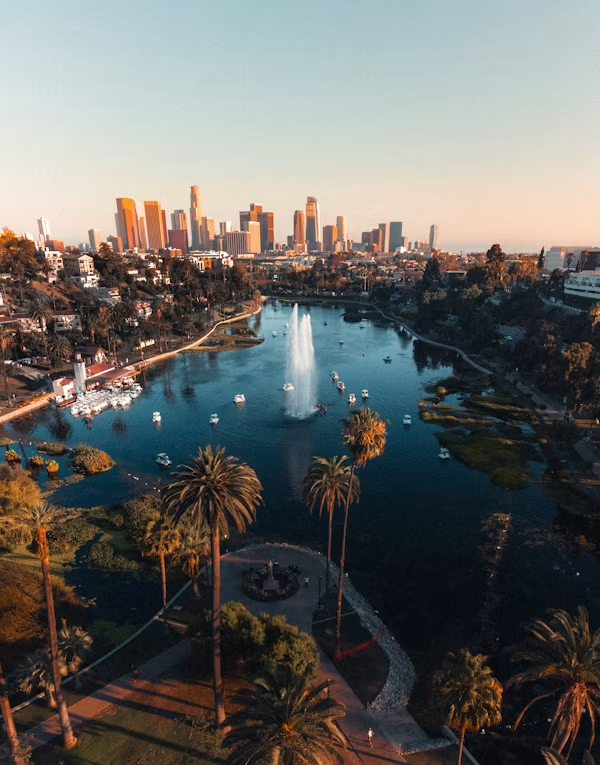
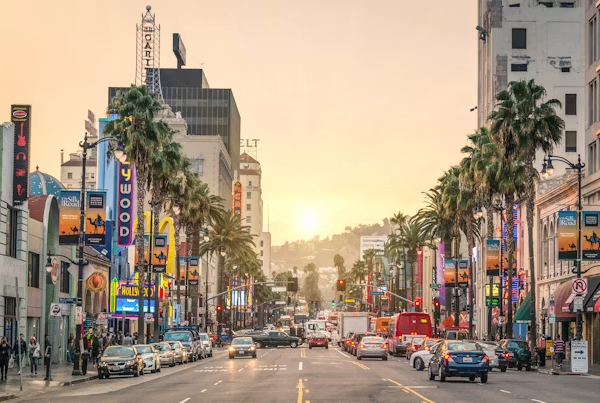
- Los Angeles: The entertainment capital. Key highlights include Hollywood, museums, and ocean views.
- San Diego: Known for its year-round mild climate, sandy beaches, historic parks, and naval heritage.
- San Francisco: Famous for its steep rolling hills, historic architecture, cable cars, and the iconic bridge.
- San Jose: The technological heart of Silicon Valley, featuring tech museums and historic parks.
- Sacramento: The state capital, offering historic gold rush-era districts, museums, and dining.
2. Exclusive Coastal Enclaves
- Malibu: A strip of coastline popular for scenic canyon hikes, surfing beaches, and seafood spots.
- Santa Barbara: A historic coastal city featuring Spanish architecture, local wineries, and beaches.
- Monterey & Carmel: A scenic peninsula featuring the marine bay aquarium, coastal drives, and shopping streets.
- Santa Cruz: A coastal town known for its surf spots, redwood parks, and beach boardwalk.
3. Desert & Mountain Retreats
- Palm Springs: A desert resort city famous for mid-century architecture, hot springs, golf courses, and spas.
- Lake Tahoe & Mammoth Lakes: High-altitude mountain towns offering skiing, snowboarding, hiking, and boating.
- Big Bear: A mountain retreat featuring a lake, ski slopes, hiking trails, and cabin rentals.
History of California
California has a rich and fascinating history that spans thousands of years. Long before European explorers arrived, the region was home to hundreds of Native American tribes, including the Yurok Tribe, Chumash, and Miwok. These communities developed diverse cultures, languages, and trade networks across the area.
In 1542, Portuguese explorer Juan Rodríguez Cabrillo became the first European to explore the California coast while sailing for Spain. Over the next two centuries, Spain expanded its influence and established a chain of missions, presidios, and settlements to colonize the region.
Beginning in 1769, Spanish missionaries led by Junípero Serra founded 21 missions along the California coast. These missions played a major role in spreading Christianity and developing agriculture, although they also had profound and often harmful effects on Native American communities.
After Mexico gained independence from Spain in 1821, California became part of Mexico and was known as Alta California. During this period, large ranches called ranchos dominated the economy, focusing mainly on cattle ranching and agriculture.
The course of California’s history changed dramatically after the Mexican–American War. Under the Treaty of Guadalupe Hidalgo, Mexico ceded California to the United States in 1848.
That same year, gold was discovered at California Gold Rush near Sutter’s Mill. News of the discovery spread rapidly, attracting hundreds of thousands of people from around the world. The Gold Rush transformed California’s economy and population, turning it into one of the fastest-growing regions in America.
On September 9, 1850, California officially became the 31st state of the United States as part of the Compromise of 1850. Throughout the late 19th and early 20th centuries, California continued to grow through agriculture, railroads, oil production, and immigration.
Money-Saving Hacks for a Cheap California Trip
Traveling through California on a budget is entirely possible if you follow these practical tips:

1. Food and Dining Hacks
- Avoid Resort Restaurants: Food prices inside theme parks or national park valleys are marked up significantly.
- Shop at Local Grocery Stores: Buy snacks and sandwich ingredients at discount grocery stores before your trip.
- Enjoy Street Food: Look for local taco trucks and fruit stands, which offer delicious and cheap dining options across California.
2. Accommodation Savings
- Book Campsites Early: State park campsites are cheap but sell out months in advance. Use the official state park reservation portal to book.
- Look for Dispersed Camping: You can camp for free on public lands in desert areas or near the mountains.
- Stay in Gateway Cities: Instead of staying inside the national park valley, stay in gateway cities like Merced or Fresno to save on hotel costs.
3. Transportation Savings
- Compare Gas Prices: Gas prices vary by up to a dollar per gallon within the same city. Check local pricing websites before filling up.
- Avoid Toll Roads: Use navigation settings to filter out toll roads, especially around the major bay areas and Southern California routes.
Frequently Asked Questions (FAQs)
1. What is the best month to visit California for budget travelers?
The cheapest months to visit California are January and February (excluding ski resort areas like Lake Tahoe). During this winter season, flights are cheaper and coastal hotels in cities like San Diego, Santa Monica, and Monterey drop their rates. If you want good weather on a budget, late spring (April to May) and early fall (September to October) offer great weather with fewer crowds.
2. Do I need a permit to hike in California’s national parks?
Most day hikes in national parks like Joshua Tree, Sequoia National park, and Death Valley do not require any permits. However, highly popular and dangerous trails, such as the Half Dome hike in Yosemite, require a wilderness permit obtained through a pre-season lottery system on the national park reservation portal. Always check the park rules before heading out.
3. Can you camp on the beach for free in California?
No, wild camping or sleeping on public beaches overnight is illegal in California and can lead to heavy fines. However, you can camp legally and affordably at designated state parks and county campgrounds that offer beachfront sites, such as Pismo State Beach or Refugio State Beach. These spots require reservations well in advance.
4. What is the best route for a California road trip?
The most iconic route is the Pacific Coast Highway (Highway 1), which runs along the coast connecting San Francisco, Monterey, Carmel, Big Sur, Malibu, Los Angeles, and San Diego. For an inland adventure, you can drive the scenic route connecting Yosemite Valley, Sequoia National Park, and Death Valley.
5. Where can I find hidden beaches and secret places in California?
Many of the best hidden beaches and secret caves are located along the rugged Central Coast and Malibu. El Matador State Beach in Malibu has hidden rocky arches, while Gray Whale Cove in the north offers a secluded sandy beach away from the crowds. Exploring small coastal towns like Cayucos or Capitola is also a great way to find underrated spots.
6. Are dogs allowed on California hiking trails and beaches?
Rules vary by location. Most California State Parks and National Parks do not allow dogs on dirt trails to protect local wildlife and ecosystems. However, dogs are generally welcome (on a leash) at regional parks, national forests, and municipal beaches. For example, Eaton Canyon in Pasadena and Escondido Falls in Malibu allow dogs on leash.
7. What are the best small towns in California to visit on a weekend trip?
For a mountain and history-focused weekend, Nevada City and Grass Valley are excellent choices filled with Victorian architecture. If you want a coastal vibe, Carmel-by-the-Sea or Pismo Beach are highly recommended. For nature and outdoor activities, Auburn and Ukiah offer fantastic hiking and hot springs.
8. How can I save money on gas and transportation during a California road trip?
Gas prices in California are among the highest in the country. To save money, check local gas pricing websites before filling up, and avoid buying gas in remote areas like Big Sur or directly outside national park gates. Maintaining a steady speed, avoiding toll roads through navigation settings, and renting a fuel-efficient hybrid vehicle can also save hundreds of dollars.
9. Which lakes are best for swimming and camping in California?
Lake Tahoe offers crystal-clear, refreshing alpine waters perfect for summer swimming and lakeside camping. In Southern California, Big Bear Lake is ideal for boating and renting cozy cabins. For a quieter, forest-surrounded experience in Northern California, lakes near Mount Shasta are perfect for camping and fishing.
10. Where are the best natural hot springs in California located?
California has incredible natural hot springs, mostly located along the volcanic regions of the Eastern Sierra and Northern California. Travertine Hot Springs near Bridgeport offers scenic mountain views, while the town of Ukiah features historic mineral spring resorts. Palm Springs in the south is also world-famous for its mineral-rich hot spring pools.
Exploring beautiful places
Around the world gives travelers a chance to experience breathtaking landscapes, rich cultures, and unforgettable adventures. From stunning mountains and peaceful lakes to historic cities and scenic coastlines, every destination has something unique to offer. If you are looking for inspiration for your next journey, visit nevada-city-california to discover amazing travel guides, top attractions, and hidden gems from around the world.
Final Thoughts
California is more than just a destination—it’s an experience that offers something for every traveler. From the golden beaches of Southern California to the towering redwood forests of Northern California, from world-famous cities to charming hidden towns, the Golden State is packed with unforgettable adventures.Whether you’re planning an epic road trip along the Pacific Coast, exploring hidden gems off the beaten path, relaxing on stunning beaches, or hiking through breathtaking national parks, this Ultimate California Travel Bible (2026 Edition) is your complete guide to discovering the best of California.